
Olive oil is an integral part of Greek tradition and diet, with the Peloponnese,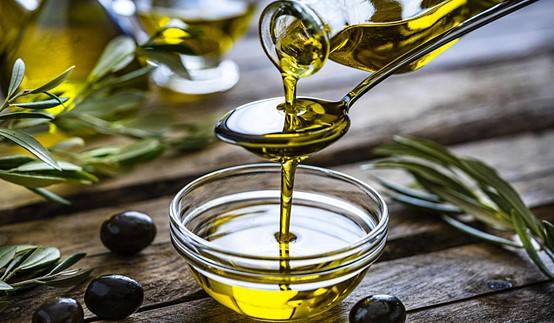 the Ionian Islands, and Crete holding a prominent place in the production of exceptionally high-quality olive oil. Favorable climatic conditions, a mild Mediterranean climate, and the long-standing experience of local producers contribute to the creation of oils with distinct aroma, rich flavor, and high nutritional value.
Olive Oil of the Peloponnese
The Peloponnese is one of Greece’s leading olive oil–producing regions, known for famous varieties such as Koroneiki and Manaki. The region’s olive oil is characterized by:
• Golden-green color and a fruity aroma
• Exceptionally low acidity and a smooth, velvety texture
• Balanced taste with a light peppery finish
The Peloponnese produces many PDO (Protected Designation of Origin) and PGI (Protected Geographical Indication) olive oils, such as PDO Kalamata and PDO Lakonia, internationally renowned for their superior quality.
Olive Oil of the Ionian Islands
In the Ionian Islands, olive oil production has a long tradition, with olive groves dating back to Venetian rule. Olives are cultivated in areas with mild climate and high humidity, giving the oil a distinctive softness and sweetness.
Olive Oil of Crete
Crete is one of the world’s most important olive oil–producing regions, and olive oil forms the foundation of the Cretan Diet.
• The main varieties are Koroneiki and Tsounati, which produce high-quality extra virgin olive oil.
• Cretan olive oil is known for its intense fruity aroma, peppery aftertaste, and herbal notes, such as thyme and oregano.
Nutritional Value & Health Benefits
Extra virgin olive oil is rich in:
• Monounsaturated fatty acids, which help reduce LDL (bad) cholesterol
• Polyphenols and antioxidants
• Vitamin E, which boosts the immune system and protects cells from oxidative stress